Relocating Aura
Lil Miquela and the PacSun campaign.
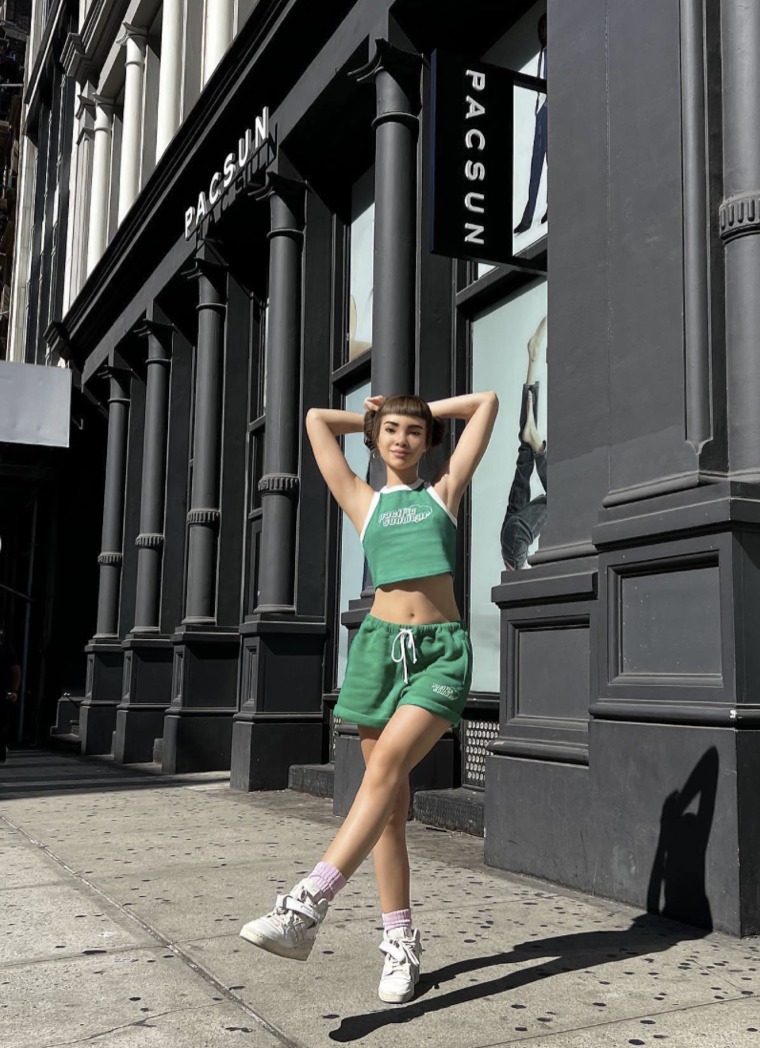
This essay looks at a PacSun ad starring Lil Miquela — a completely computer-generated character who acts like a real influencer online, even though she doesn't exist. I use that one image to ask a bigger question: what happens to the idea of "authenticity" when the person in the photo was never actually there?
I build on the philosopher Walter Benjamin, who argued that original artworks carry a kind of "aura" — a one-of-a-kind presence tied to being in a real place at a real time. Photography already complicated that, since a photo can be copied endlessly. Virtual influencers push it further: there's no real body the camera ever pointed at. The image doesn't capture a person — it invents one. Drawing on Benjamin alongside Berger, Manovich, Krauss, Steyerl, and Somaini, I argue that aura doesn't disappear here — it just relocates.
So where does authenticity come from now? Not from proof that something real once stood in front of a camera. Instead, it comes from how consistent and convincing a character seems across every platform she shows up on, and how far her images spread. What makes Lil Miquela feel "real" isn't physical presence — it's consistency and reach.